Public Land Hunting Rules for New York Hunters
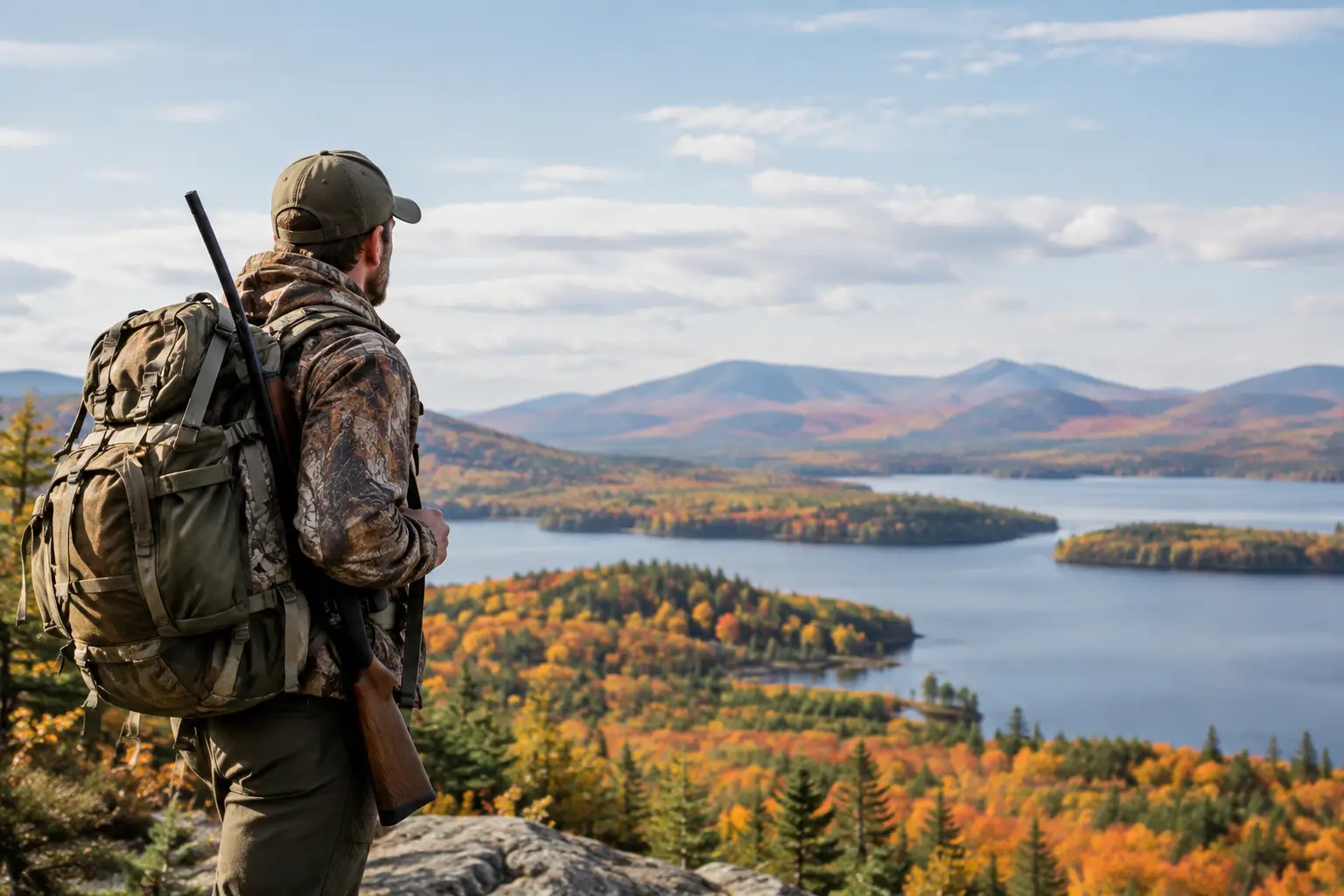
A State Forest gate at daylight can feel like an open invitation: boots on gravel, cold air in your lungs, a full day ahead with no one telling you where to go. That freedom is exactly why public land hunting rules matter. On New York public land, the right to hunt comes with a responsibility to know where you are, what use is allowed there, and how your choices affect everyone else sharing the woods.
For hunters staying near Masonville or building a few days around the forests of the western Catskills, the best plan is not simply to find green space on a map. It is to confirm the parcel, read the current regulations, respect posted boundaries, and hunt in a way that leaves the place ready for the next person.
Start With the Land, Not the Assumption “Public land” is a broad label. New York State Forests, Wildlife Management Areas, Forest Preserve lands, multiple-use areas, county lands, and federally managed properties can all have different access rules, permitted activities, and seasonal restrictions. A tract that allows hunting may still have closed roads, designated parking, sensitive habitat areas, or special regulations that change how you can use it.
Before heading out, identify the exact property rather than relying on a nearby town name or a pin dropped by a friend. Check the current New York State Department of Environmental Conservation information for that unit, along with its maps and any site-specific notices. Boundaries can be irregular, and neighboring private ground may not be marked as clearly as you expect.
A map app can be useful in the field, but it is not a substitute for official information. Cell service can be thin in mountain country, batteries die, and map layers can be outdated. Download your maps before leaving the cabin, carry a paper backup, and know the route back to your vehicle without depending on a blue dot.
State Forest Access Is Not a Blank Check New York State Forests are generally managed for multiple uses. That means a hunter may share the same roads, trailheads, and woods with hikers, dog walkers, birders, horseback riders, snowmobilers in season, timber crews, and other hunters. The land is public, but no one person has exclusive control of it.
Do not block gates, forest roads, pull-offs, or trail access with a truck or trailer. Park only where vehicles are allowed and leave enough room for emergency access and other users to get through. If a road is seasonally closed, muddy, signed against vehicle traffic, or gated, treat that closure as part of the trip plan, not an obstacle to work around.
Public Land Hunting Rules Begin With Licensing A hunting license is not a one-size-fits-all permission slip. The species, season, hunting method, and location determine what credentials and tags you need. Big-game hunting can involve separate privileges and tags, while turkey, waterfowl, migratory birds, and trapping each carry their own requirements. Waterfowl hunters, for example, may need additional federal and state registrations beyond a basic hunting license.
Buy the correct license before the trip, carry it as required, and read the current season dates for the wildlife management unit where you will hunt. New York rules can vary by region and season. Antler restrictions, bag limits, legal hunting hours, weapon rules, and required fluorescent orange or pink clothing are not details to guess at from memory.
This is where experienced hunters stay sharp. A rule that applied last season, on a neighboring property, or in another state may not apply where you are standing. Review the current regulations before every season and again if your plan changes from one unit to another.
Know the Boundaries That Matter Most The most preventable public-land problem is crossing onto private property without permission. It can happen quickly when following sign, tracking a deer, circling downwind, or taking a long route around a wet area. “I thought it was public” is not a defense that repairs a bad situation with a landowner.
Study the parcel lines before daylight. Mark private inholdings, nearby homes, roads, and access points. Pay attention to posted signs, paint markings, fences, and gates. If a boundary is unclear, back out and confirm it rather than pressing ahead because the terrain looks like it should be public.
The same care applies after a shot. New York hunters have obligations when pursuing wounded game, but that does not create automatic permission to enter private land. If an animal crosses a property line, pause, identify the owner when possible, and ask for permission before retrieving it. A respectful conversation can preserve access and prevent a difficult encounter.
Safety Zones Are Real Even in Big Woods Public land can feel remote, but homes, camps, roads, and other users may be closer than they appear. New York has safety-zone restrictions around occupied buildings and structures, with distances that can depend on the firearm or hunting implement involved. Never set up, shoot, or discharge a firearm based on a rough estimate of how far away a house might be.
Plan every shot with a safe backstop and a clear picture of what is beyond the target. Do not shoot at movement, sound, or an unidentified silhouette. Be especially careful near ridges, logging roads, trail corridors, and low ground where another person may be out of sight.
If you are hunting during a busy season, visible hunter orange or pink is more than a legal question. It is smart woodsmanship. So is wearing a headlamp when walking in or out, communicating your location to a partner, and setting a firm turnaround time before darkness makes navigation harder.
Respect Other Hunters Without Giving Up Your Hunt First-come, first-served public land does not guarantee solitude. You may reach a parking area before dawn and find another truck already there. You may hike farther than expected and still hear a call, see a stand, or spot a hunter moving through the timber.
Do not crowd another hunter just because a spot looks promising. Change your route, create more distance, or move to a backup area. Never touch another person’s stand, camera, blind, decoys, or equipment. Portable stands and blinds can be regulated by the managing agency, and leaving equipment unattended may not be allowed in every area.
Avoid the urge to claim ground with confrontation. A calm conversation at the trailhead can solve confusion, but arguments in the dark rarely improve anyone’s day. Public land rewards flexibility. Bring two or three legal access options, and you will make better decisions when the first one is busy.
Keep Your Camp and Vehicle Low-Impact A clean parking spot and a quiet cabin are part of being a welcome hunter in the community. Secure firearms and gear in your vehicle according to applicable laws and common sense. Do not leave food, harvested game, trash, fuel containers, or bloody processing waste where wildlife, pets, or the next visitor can get into it.
Field dress game responsibly and follow all transport, tagging, reporting, and carcass-disposal requirements. Regulations concerning deer carcass movement and chronic wasting disease protections can affect what parts of an animal may be transported from certain areas. Check the current rule before loading up for home, especially if your hunt crosses county or state lines.
Use established roads and legal parking areas instead of cutting new tracks through soft shoulders or trails. A four-wheel-drive vehicle, motorcycle, or golf cart does not turn a closed route into an open one. Around ODBP Adventures and nearby State Forest country, the best rides and hunts both start with respecting posted access and private-property boundaries.
Build a Better Hunt Before You Leave the Cabin Lay out your license, tags, maps, compass or GPS, headlamp, water, first-aid kit, and layered clothing the night before. Tell someone the property you are hunting, the parking area you will use, and when you expect to return. If you hunt with a partner, agree on your plan before the first light scramble.
Then give yourself enough time to enjoy the reason you came. Public ground asks more of you than a guided hunt or leased parcel: more research, more walking, more patience, and more willingness to adapt. In return, it offers the kind of self-directed day that stays with you long after the season closes.
Get Off Da Beaten Path, but never off the map. Hunt legally, leave the woods better than you found them, and let good judgment be the gear you carry farthest.