New York State Forest Recreation for a Real Escape
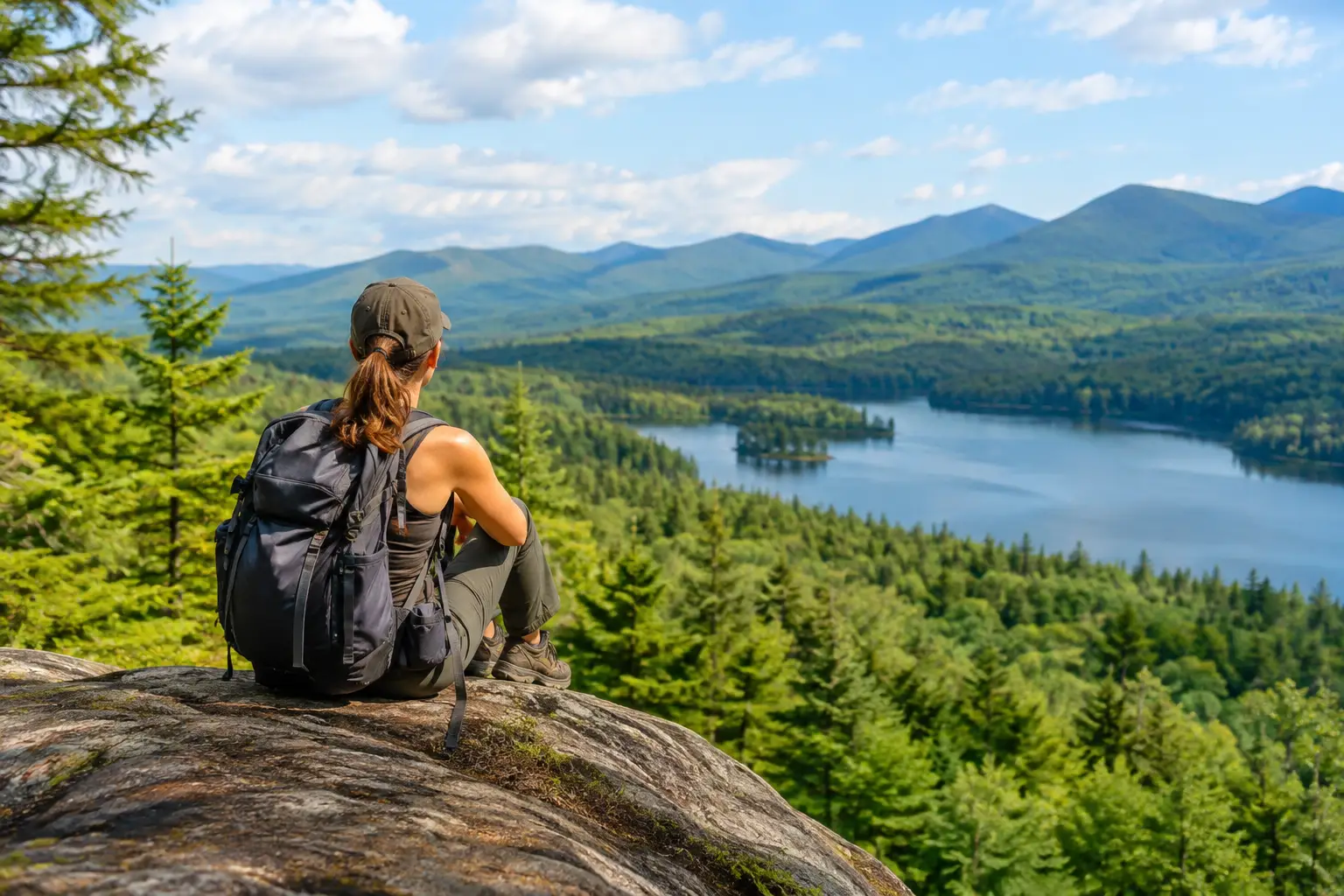
The best kind of mountain weekend does not need a packed itinerary. It needs a good road, a quiet place to sleep, and room to choose your own direction once the pavement ends. New York State Forest recreation delivers exactly that: public land, working forests, backroad scenery, and the freedom to spend the day your way.
Near Masonville, the landscape is built for travelers who would rather trade traffic lights for gravel pull-offs, birdsong, and ridgelines. Bring your own gear, choose a ride that fits your plans, or make a cabin your base camp and head out each morning with no rush to get back to the city.
What New York State Forest Recreation Looks Like State forests are not amusement parks, and that is part of the appeal. They are managed public lands that support wildlife habitat, sustainable forestry, and outdoor use. Your day may involve a quiet hike through hardwoods, wildlife watching from a roadside turnout, a hunt during the proper season, or a long motorcycle ride linking scenic towns and forest edges.
The experience changes with the season. Spring brings muddy trails, rushing creeks, and roads that may still be rough from winter. Summer is prime time for long daylight hours, campfire evenings, and slow rides through green hills. Fall brings color, cooler air, and active hunting seasons. Winter can be beautiful and still, but snow, ice, limited access, and changing road conditions require a more conservative plan.
That flexibility is the point. Some guests want an early ride followed by an afternoon on the porch. Others want to spend every daylight hour outdoors. There is room for both, as long as you plan around the land, weather, and posted rules.
Build Your Day Around the Forest, Not a Schedule A cabin stay near Masonville gives you a better starting point than a quick day trip. You can wake up close to the action, check conditions, pack what you need, and go. No checkout clock hanging over your head. No long drive home after a full day outside.
For riders, the area is made for choosing the road that matches your mood. A touring bike is a strong fit for a relaxed day of paved county roads, small towns, overlooks, and scenic stops. A cruiser keeps the pace easy for a two-up ride and a long lunch somewhere local. An adventure bike makes sense when your route includes rougher public roads and you have the skill to handle changing surfaces.
The trade-off is simple: a route that looks exciting on a map may not be the right route after rain, during leaf-covered fall conditions, or on a fully loaded bike. Keep your plan flexible. Fuel up before heading into quieter country, download or carry navigation information, and let someone know your general route if you are going out for the day.
At ODBP Adventures, the idea is to make the cabin more than a place to sleep. Stay. Ride. Explore. Unplug. Start with a peaceful mountain base, then choose the kind of day you want to have.
Hiking, wildlife, and quiet hours outside You do not need to cover miles to get something out of the forest. A short walk on an open, permitted route can be enough to reset your pace. Move slowly and you may spot deer, turkey, songbirds, raptors, and the smaller details that disappear when life is moving too fast.
Wildlife viewing works best when you treat the forest as their home, not your backdrop. Keep your distance, avoid making noise to get an animal's attention, and never feed wildlife. Early morning and the last stretch of daylight can be especially rewarding, but they are also times when visibility changes quickly. Bring a light, layer up, and know where you are headed before darkness settles in.
If you are bringing a dog, check the rules for the specific area and keep control of your animal. Not every visitor is looking for the same kind of day, and respectful trail use gives everyone more room to enjoy the woods.
Hunting trips require a different level of preparation New York State Forest recreation can include hunting where it is permitted, but it is never a casual add-on. Hunters need the appropriate licenses, knowledge of current seasons and legal methods, and a clear understanding of where public land ends and private property begins.
Do not assume every trail, road, or field is open for every use. Posted signs matter. Boundary markers matter. So do parking restrictions, access conditions, and temporary closures. Before heading out, confirm the regulations for the specific forest and season, carry required documentation, and wear appropriate safety gear.
Non-hunters should also plan with the season in mind. During active hunting periods, wear bright colors, stay on recognized routes where appropriate, and avoid wandering onto land without knowing exactly where you are. The forest remains a shared resource, but awareness is part of being a good neighbor outdoors.
Know the Difference Between Access and Permission Public forest land can feel wide open, but access is not the same as permission to do anything anywhere. That distinction protects the land, wildlife, and the people using it.
Motorized travel is limited to roads and areas specifically open to it. Do not take motorcycles, ATVs, side-by-sides, or golf carts off-road simply because a track looks passable. Unauthorized travel tears up soil, damages habitat, and can put you on restricted land or private property. A golf cart can be a great way to cruise around a property or use permitted local areas, but it is not a forest trail vehicle.
Camping, fires, target shooting, collecting wood, and parking all come with rules that vary by location. A quiet pull-off is not automatically an overnight campsite. A fire ring is not automatically permission to burn. When in doubt, choose the conservative option and verify before you go.
Leave the place in better shape than you found it. Pack out food wrappers, cans, fishing line, and anything else you brought in. Keep noise down. Do not block gates or forest roads. If a road is posted closed, turn around rather than trying to squeeze past a barrier. Off Da Beaten Path should describe the feeling of the trip, not disregard for the rules.
Pack for a Better, Safer Day The right gear depends on the activity, but a few basics make nearly every forest day easier. Water, snacks, a charged phone, offline navigation, a small first-aid kit, and layers belong in the plan. Cell service can drop in low spots and remote areas, so do not rely on a signal to solve every problem.
For riders, add a rain layer, eye protection, gloves, and clothing that works for changing temperatures. Mountain roads can be cool in the morning, warm by midday, and slick after a sudden shower. Watch for gravel in corners, wet leaves, deer near dusk, and farm equipment on rural roads.
For hikers and hunters, choose footwear for wet ground rather than the forecast you hoped for. Bring a paper map or saved map when possible. Tell someone where you will park and when you expect to return. These are simple habits, but they keep a small inconvenience from becoming a long night.
Make Space for the Unplanned Part The best forest trips leave room for the moments that cannot be booked: a foggy morning over the hills, an empty scenic road, a hawk circling above a clearing, or an extra hour on the cabin porch after a full day outside.
Plan enough to be safe. Respect forest regulations, posted signs, seasons, and private-property boundaries. Then loosen your grip on the schedule. Choose your ride, take the long way back, and let the mountain quiet do what it does best.