Motorcycle Rental Rider Requirements Explained
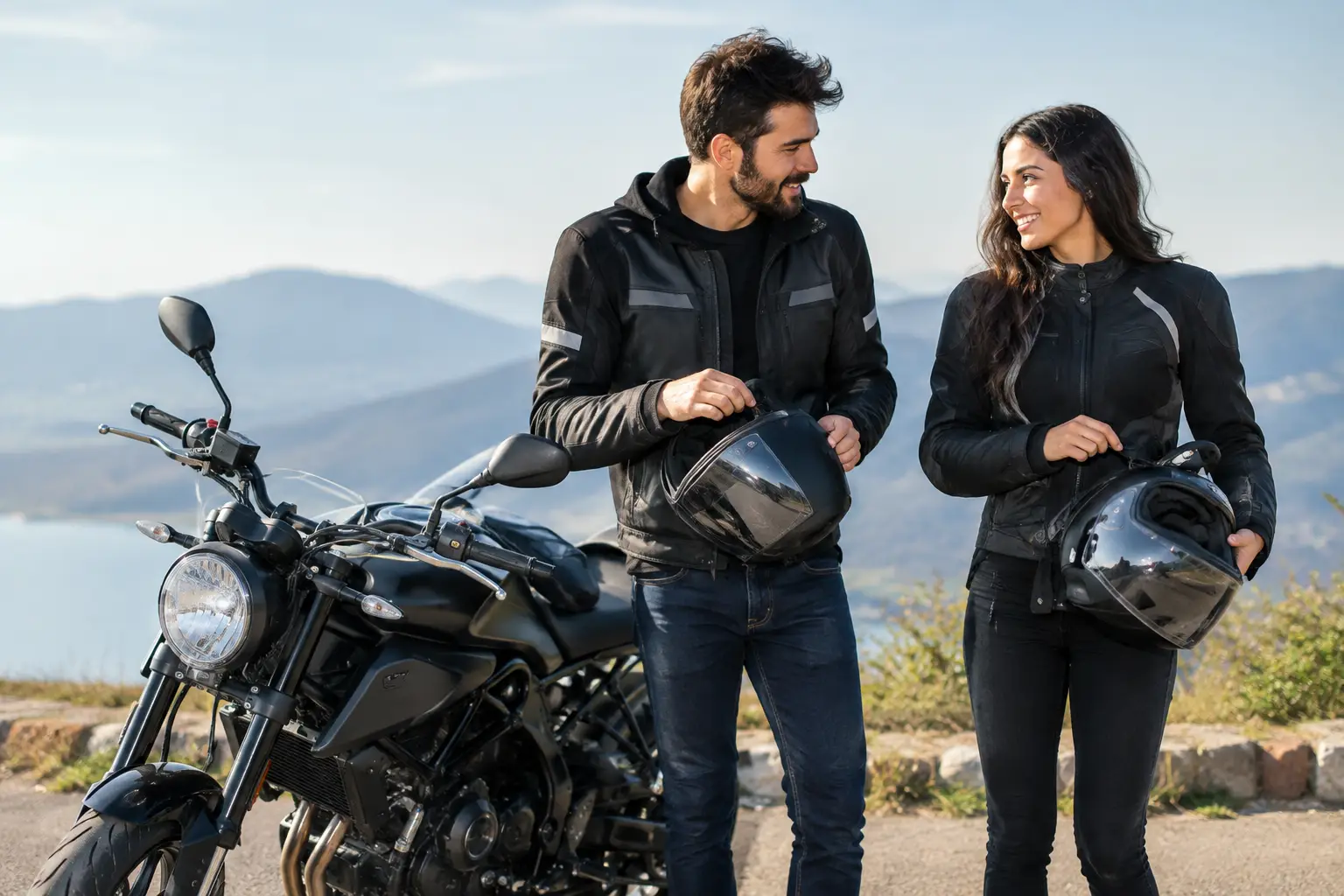
A premium touring bike can turn a quiet cabin weekend into a real road trip. But before you choose your ride, make sure the practical side is handled. Motorcycle rental rider requirements are not just fine print - they determine whether you can pick up the keys, protect your trip, and ride New York’s back roads with confidence.
For guests planning a Masonville escape, the right preparation leaves more room for what matters: early starts, scenic pull-offs, forest country, and the long way back to the cabin. Here is what to have squared away before reserving a rental motorcycle.
Start With a Valid Motorcycle License A standard automobile driver’s license is not enough to operate a motorcycle. Riders need a valid motorcycle endorsement or motorcycle license accepted in the state where they will ride. In New York, that generally means a Class M or Class MJ credential. Visitors from another state should carry a current, valid license with the appropriate motorcycle authorization.
Do not assume a motorcycle learner permit will qualify you for a rental. Permit rules, supervision requirements, and platform or owner policies can limit eligibility, especially for larger touring, cruiser, or adventure motorcycles. Rental approval is based on the specific listing and booking platform requirements, so read those details before building your itinerary around a particular bike.
Your license must be current, legible, and match the identity information used for the reservation. If your name has changed or your license is close to expiration, handle that before booking. A last-minute documentation issue can stop a ride before it starts.
Motorcycle Rental Rider Requirements Can Vary by Bike Not every qualified rider is the right match for every motorcycle. A low-slung cruiser, a heavyweight bagger, and a tall adventure bike each ask different things of the person in the saddle. Rental owners and booking platforms may set age minimums, riding-experience expectations, or approval standards based on the motorcycle’s value, power, weight, and intended use.
That is not meant to take the fun out of choosing a premium ride. It is there because a fully loaded touring motorcycle handles very differently than a lightweight commuter bike, particularly on tight turns, uneven pavement, gravel shoulders, or wet roads. Be honest about your experience when completing a rider profile. If you have spent years on a mid-size cruiser but have never handled a large touring model, choose a bike you can confidently balance, maneuver, and pick up if needed.
For a weekend in the Catskills and surrounding countryside, comfort is part of safety. A motorcycle that feels manageable in a parking lot will feel much better after several hours on the road.
Expect Identity Verification, Insurance, and a Deposit Most peer-to-peer motorcycle rentals involve a verification process before a reservation is confirmed. At ODBP Adventures, motorcycle reservations are processed through Riders Share, which means the platform’s current eligibility, verification, protection, and payment terms apply alongside the requirements of the individual motorcycle listing.
Plan on providing accurate identity and license information. The platform may also review your driving history or use other screening steps as part of approval. Requirements can change, and individual listings may have additional rules, so use the live booking page as the final word rather than relying on a past rental experience.
Insurance coverage and security deposits deserve the same attention as the daily rental rate. Review what protection is included, what options are available, what deductible may apply, and what circumstances are excluded. Understand the deposit amount, how it is authorized or collected, and what can lead to a charge after the trip, such as damage, missing equipment, late return, excessive cleaning, tolls, tickets, or fuel issues.
A rental agreement is a real responsibility, not a suggestion. Read it before you arrive, not while your riding group is waiting in the driveway.
Bring Riding Gear That Fits the Route New York requires motorcycle operators and passengers to wear a helmet that meets applicable safety standards, along with approved eye protection. A helmet is nonnegotiable. Beyond that legal baseline, mountain weather makes thoughtful gear a very good idea.
Pack for temperature swings, rain, and changing road conditions. A warm morning can turn cool in shaded valleys, and an afternoon shower can make a scenic route more demanding. A proper motorcycle jacket, gloves, over-the-ankle footwear, durable pants, and rain protection add comfort without weighing down the trip.
If you are flying or packing light, ask about any gear or accessories offered with the particular rental before you assume they are included. Helmets, luggage, phone mounts, GPS units, passenger backrests, and roadside items vary by motorcycle and listing. Bring what you personally need, and confirm the rest in advance.
Know Who May Ride and Where You May Go The approved renter is not automatically free to hand the bike to a friend. Anyone who operates the motorcycle typically needs to be properly authorized through the booking platform and covered by the reservation. If you plan to switch riders during the trip, settle that before pickup. An unapproved rider can create serious coverage and liability problems.
Passengers also need a plan. Confirm that the motorcycle is equipped and approved for two-up riding, then make sure the passenger has legal protective equipment and is comfortable with the route. A passenger changes braking distance, slow-speed handling, luggage capacity, and fatigue levels. For some couples, a roomy touring bike is the right call. For others, separate motorcycles make for a better day.
Where you ride matters just as much. Rental motorcycles belong on legal, suitable roads unless the listing clearly permits otherwise. New York State Forest land is a tremendous place to explore, but it is not an invitation to ride wherever tire tracks will fit. Respect posted signs, seasonal closures, designated routes, private-property boundaries, and NYSDEC regulations. Never take a rental bike onto trails, unmaintained roads, or off-road terrain unless it is expressly allowed and you are equipped for it.
Prepare for Pickup Like a Rider, Not a Passenger A smooth handoff starts before you arrive. Bring your physical license, the payment method required for the booking, your riding gear, and access to your reservation details. Charge your phone, download maps for areas with weak service, and share your general route with someone in your group.
At pickup, slow down and inspect the motorcycle with the owner or host. Photograph existing cosmetic marks, note tire condition, check lights and signals, locate the fuel type and fuel level, and learn where the registration, insurance information, and roadside-assistance instructions are kept. Ask how to lock luggage, use any navigation equipment, and secure the motorcycle overnight.
Before you pull away, adjust the mirrors and controls, then take a few quiet minutes to get familiar with the clutch engagement, brakes, weight, seat height, and turn radius. This matters most if you are changing motorcycle styles. The first test of a new-to-you bike should be a controlled parking lot, not a sharp curve on an unfamiliar country road.
Plan Around Weather, Wildlife, and Road Pace Upstate New York rewards riders who leave some space in the schedule. Deer are active around dawn and dusk, wet leaves can gather in shaded corners, and gravel often appears near driveways and road edges. Construction, farm equipment, and slow-moving local traffic are all part of the landscape.
Build in time for fuel, food, photos, and rest. Do not treat the posted speed limit as a target when visibility is limited or the pavement is damp. If weather turns ugly, the smart call may be a slower route, a delayed departure, or a cabin day. There is no prize for pushing through conditions that exceed your comfort level.
Alcohol and motorcycles do not mix. Save the campfire drink, local tasting room stop, or celebratory toast for after the keys are put away. The same goes for riding while overly tired. A good trip is one you remember for the views, not for a close call.
Before You Book, Check These Details Confirm these points while comparing motorcycles and dates: * Your motorcycle license, age, and riding background meet the listing and platform standards. * The reservation protection, deductible, deposit, cancellation terms, and mileage allowance make sense for your plans. * The motorcycle suits your height, strength, passenger needs, and intended route. * You have legal helmet and eye protection, plus gear for cool or wet conditions. * Every potential rider is approved before anyone takes control of the motorcycle.
The best rental is not necessarily the biggest bike or the most polished chrome in the photos. It is the one that fits your experience, your route, and the kind of weekend you came to have. Handle the requirements early, choose your ride with clear eyes, and you can spend the rest of the trip doing what you came for: getting Off Da Beaten Path, one good mile at a time.