Motorcycle Rental Insurance for Mountain Rides
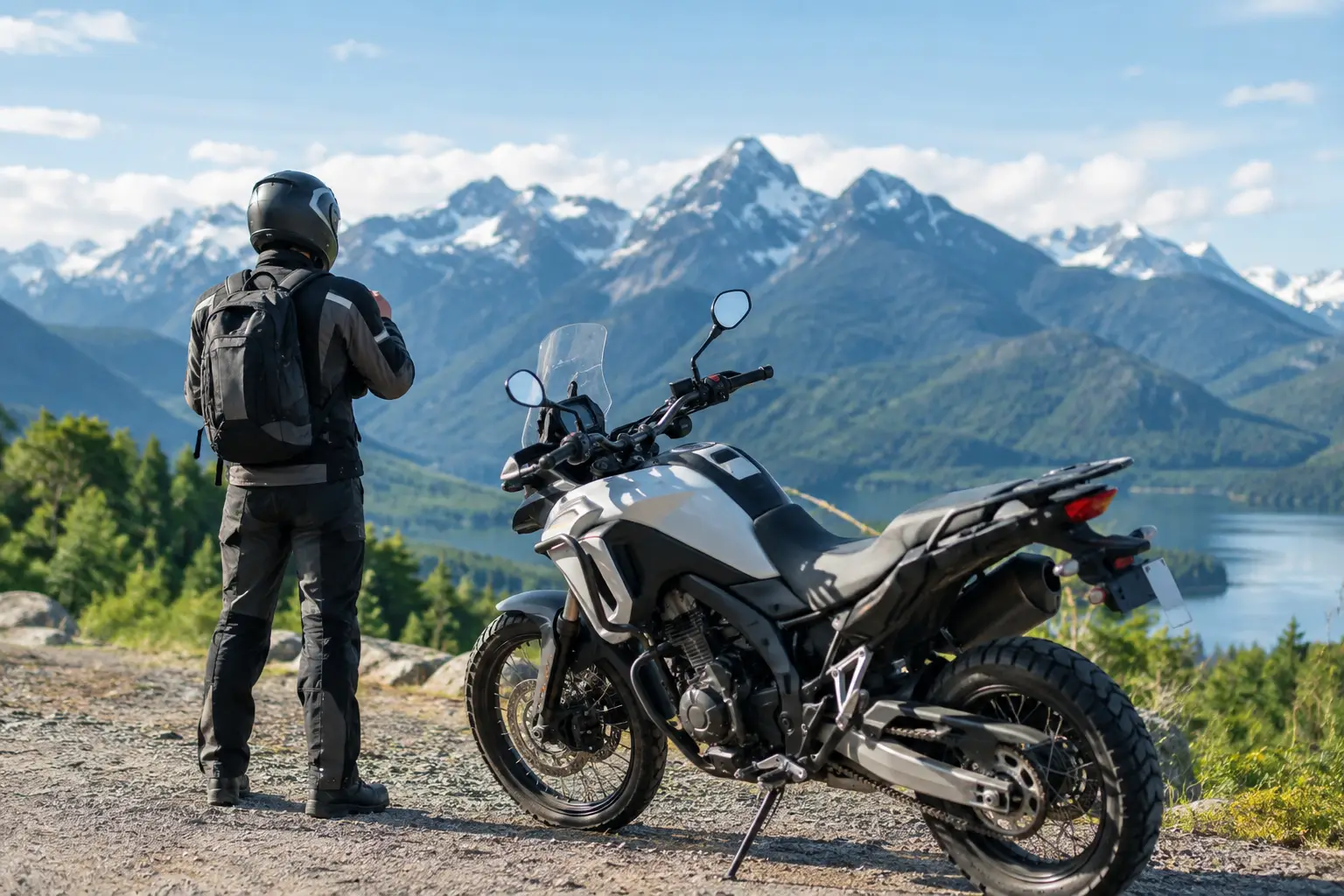
A mountain ride should start with a full tank, a route in mind, and a clear understanding of what happens if the unexpected shows up. Motorcycle rental insurance is part of that preparation. Before you roll out toward the backroads, state forests, and small towns around Masonville, know what protection comes with the rental, what you may be responsible for, and where the gaps can be.
That does not take the freedom out of the trip. It gives you more confidence to enjoy it. A premium touring bike, cruiser, or adventure motorcycle deserves the same thoughtful planning as the cabin, the weather forecast, and the gear in your saddlebag.
What motorcycle rental insurance usually covers Insurance for a rented motorcycle is not one single thing. It is usually a combination of protections governed by the rental platform, the bike owner, the applicable policy, and the agreement you accept at checkout. The exact coverage, exclusions, limits, deductible, and eligibility requirements can vary by reservation, rider, motorcycle, and location.
The first layer is often liability coverage. This may help if you are legally responsible for injuring someone else or damaging their property while operating the rental. New York requires liability coverage for vehicles used on public roads, but required minimums and the protection available through a rental arrangement are not necessarily the same as the amount that would make you comfortable after a serious incident.
A second layer may address physical damage to the rented motorcycle. This is the coverage riders think about when they picture a dropped bike in a gravel pull-off, a deer strike at dusk, or damage after a parking-lot tip-over. Physical-damage protection may still leave you with a deductible or other financial responsibility. Read that number carefully. A lower daily protection cost can come with a higher out-of-pocket amount if a claim occurs.
Some plans may also include roadside assistance, towing, or certain trip-interruption benefits. Those features can be useful when a mechanical issue takes place far from the nearest town. They are not a substitute for checking the rental agreement, though. Assistance may apply only in defined circumstances, may require contacting the designated support team first, and may exclude avoidable damage or prohibited use.
Your own policy may not follow you Many riders assume their personal motorcycle policy automatically covers any motorcycle they rent. Sometimes it does. Sometimes it provides only limited protection. Sometimes it does not apply at all.
Your auto policy and motorcycle policy are different products, and the answer may change based on the insurer, the state, the type of bike, and whether you carry comprehensive and collision coverage. A policy that protects your own motorcycle may extend liability but not cover damage to a high-value rental. It may also have limits that fall short of the rental agreement's requirements.
Credit-card coverage is another common assumption. Credit cards sometimes offer rental protection for passenger cars, but motorcycles are frequently excluded. Never treat a card benefit as motorcycle coverage unless the card issuer confirms it in writing for your specific rental and trip.
Before booking, call your insurer and ask direct questions. Does your policy cover a rented motorcycle? Does it provide liability, collision, comprehensive, medical payments, uninsured motorist protection, or towing? Are there motorcycle-engine-size restrictions, location restrictions, or exclusions for peer-to-peer rentals? Ask what deductible would apply and whether filing a claim could affect your premium.
A ten-minute conversation before the trip can prevent an expensive surprise after it.
Read the agreement like a rider, not a tourist The rental agreement is where the real-world rules live. Treat it as part of your pre-ride briefing. Reservations processed through a platform such as Riders Share have their own current eligibility, verification, insurance, cancellation, claims, and roadside-assistance terms. Review the details displayed with your reservation rather than relying on general advice or an old screenshot.
Pay special attention to who is allowed to operate the motorcycle. The named renter may be the only permitted rider. Letting a friend take a turn around the block can create a coverage problem if that person was not approved under the reservation.
Also check the rules on mileage, interstate travel, out-of-state riding, off-road use, towing, passengers, pets, smoking, and alcohol or drug impairment. A bike built for adventure is not automatically authorized for every trail, seasonal road, or unmaintained path. Public-road access, forest roads, and trail systems have different rules. Follow posted signs, respect private property, and honor NYSDEC regulations and seasonal closures.
The same practical approach applies to security. Learn where and how the motorcycle should be parked overnight, whether a lock is provided, and what to do if the bike is stolen or vandalized. Leaving keys in an unlocked cabin, ignoring a required locking procedure, or parking where the agreement forbids may affect your responsibility.
The deductible is the number to understand A deductible is the amount you may have to pay toward a covered damage claim before the insurance protection applies. It is not a deposit, although the rental process may also involve a security deposit, preauthorization, or payment hold.
Here is why that distinction matters. A rider may see a daily protection option and think, “I am fully covered.” But if the policy has a several-thousand-dollar deductible, a minor low-speed fall that cracks a fairing, bends a lever, and scuffs a saddlebag may still be costly.
Ask yourself whether you could comfortably handle the deductible if the bike goes down. If the answer is no, compare the protection options available for the reservation and consider whether your own insurance fills the gap. The lowest daily rate is not always the lowest-risk choice.
You should also understand what may not be covered. Damage caused by unauthorized use, reckless operation, riding while impaired, unapproved drivers, or a violation of the rental agreement can leave the renter responsible for far more than the deductible. Normal wear is one thing. Damage from ignoring the rules is another.
Document the bike before the wheels turn The simplest claim-prevention tool is your phone camera. During pickup, walk around the motorcycle with the owner or handoff contact before you ride away. Photograph both sides, the wheels, tires, controls, mirrors, windshield, luggage, paint, engine cases, and any existing scratches or chips. Take a short video as well, especially if lighting makes cosmetic marks difficult to see.
Confirm the fuel level, odometer reading, included accessories, and condition of any helmet, lock, phone mount, luggage, or navigation equipment provided with the bike. If you notice something not listed in the inspection notes, raise it before departure and make sure it is documented.
Do the same at return. A clear return record protects everyone and keeps a great riding weekend from turning into a disagreement days later. If damage happens during the trip, report it promptly through the required process. Do not attempt a hidden repair or wait until after checkout to mention it.
Ride for the roads you are actually on The roads around the Catskills and Southern Tier can be the reason you rented the motorcycle in the first place: rolling pavement, wooded curves, changing elevations, and long stretches that feel miles away from routine. They also demand attention.
Gravel at an intersection, wet leaves in shade, frost-heaved pavement, wildlife, farm equipment, and sudden weather shifts can change a familiar-looking road quickly. Choose a bike that fits your experience, not just your wish list. A large touring motorcycle offers comfort and presence on long pavement miles, while an adventure bike may feel more at home when your route includes approved unpaved roads. Either one requires deliberate throttle, braking, and cornering inputs.
Build extra time into the route. Avoid riding tired, avoid night riding if you are unfamiliar with the area, and do not let a reservation schedule push you past your comfort zone. If rain moves in or the temperature drops hard, a slower plan is still a good plan.
At ODBP Adventures, the point is to use a mountain cabin stay as a home base, then choose your ride and make the day your own. That freedom works best when it is paired with a helmet, proper gear, a valid motorcycle license, and a rental protection plan you have actually read.
Before you start the engine, know the coverage, save the support contact information, and take the inspection photos. Then get Off Da Beaten Path with fewer what-ifs in the back of your mind and more attention on the road ahead.