Motorcycle Deposit Policies for Your Ride
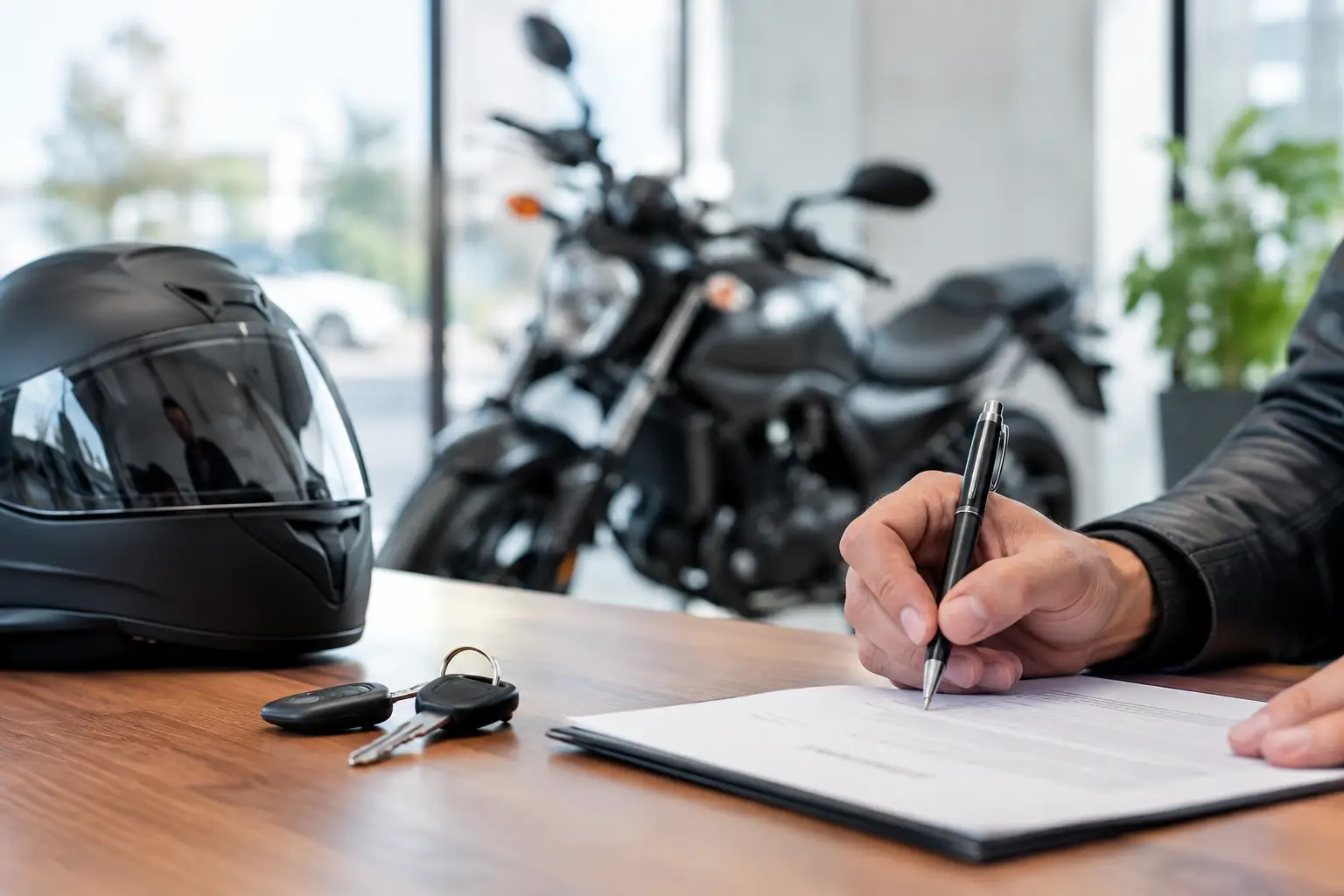
That wide-open stretch of Catskills road feels a lot better when the paperwork is already understood. Motorcycle deposit policies are not the exciting part of planning a cabin-and-riding weekend, but they protect the bike, the rider, and everyone else sharing the road. Know what you are agreeing to before you choose your ride, and you can spend less time worrying about your card and more time chasing the next scenic overlook.
At ODBP Adventures, motorcycle reservations are processed through Riders Share. That means the rental platform’s current terms, rider requirements, insurance options, payment process, and deposit rules control the transaction. Review those details on the specific bike listing before booking, because the amount, timing, and conditions can vary by motorcycle, rider profile, trip length, and platform policy.
What a Motorcycle Deposit Is Really For A deposit is not simply an extra rental charge. It is a financial safeguard connected to your responsibility for the motorcycle while it is in your possession. Depending on the booking terms, it may be collected as a refundable security deposit, handled as a temporary authorization hold, or addressed through the platform’s protection and claims process.
The purpose is straightforward. Premium touring bikes, cruisers, and adventure motorcycles are serious machines with serious replacement and repair costs. A scratched saddlebag, bent lever, damaged windshield, missing key, or tire puncture can turn into a real expense. A deposit helps establish that the rider will return the motorcycle in the agreed condition and follow the rental agreement.
It also creates a clearer process if something goes wrong. Nobody plans to pick up a nail on a back road or tip a bike over in loose gravel. But a rental agreement should spell out how damage is documented, who is contacted, and how charges are evaluated. Clear expectations are better for responsible riders than vague promises.
Motorcycle Deposit Policies: What to Check Before Booking Do not assume every rental handles deposits the same way. Before you reserve, read the motorcycle’s listing and the booking checkout details closely. Focus on the actual dollar amount, whether your card is charged or merely authorized, and when any unused funds are released after the trip.
A card authorization can look like a charge in your available balance even when the money has not been permanently collected. Your bank or card issuer may take additional time to release the hold after the rental is completed. That timing is outside the rider’s control, so leave breathing room in your travel budget. If you are also paying for lodging, fuel, meals, park access, and a golf cart add-on, do not plan your weekend around every dollar of available credit being immediately accessible.
Read the conditions tied to the deposit, too. Common reasons a deposit or claim may be affected include damage beyond normal wear, theft, lost equipment, unauthorized riders, late returns, failure to refuel as required, traffic or parking violations, and riding outside approved areas. The exact rules come from the rental platform and agreement, not from assumptions made at pickup.
Your payment method matters Bring the payment method required by the reservation and make sure it has enough available credit or funds for both the rental and any applicable deposit or hold. A debit card, prepaid card, or card in another person’s name may not work under every platform’s rules. Check before travel, not from the driveway after a long drive to Masonville.
The named renter should also be the qualified rider. Letting a friend take a turn because they “have ridden before” can create a major problem if that person is not approved under the agreement. A great road trip starts with shared responsibility, not a casual handoff at a gas station.
Protect Your Deposit Before the Kickstand Goes Up The best deposit strategy is simple: treat the bike like it is yours, while remembering that it is not. A few deliberate minutes at pickup can prevent a difficult conversation later.
Walk around the motorcycle with the owner or follow the platform’s check-in process exactly. Photograph and video the bike from multiple angles in good light. Capture the paint, fairings, bags, wheels, tires, controls, windshield, mirrors, seat, mileage, fuel level, and any existing marks. If there is a scuff, chip, or worn spot, make sure it is documented before departure.
Do the same at return. Take clear, time-stamped photos after you have parked the bike, removed your gear, and checked it over. This is not about distrust. It is the same common-sense approach you would use with a rental car, cabin inventory, or borrowed trailer. Good documentation protects both sides.
A few habits make an outsized difference: * Park on stable, level ground whenever possible, and use extra care on gravel, wet grass, uneven driveways, and soft shoulders. * Lock the motorcycle and keep the key or fob secure. Replacing modern keys and electronics can be expensive. * Follow the fuel requirement and keep receipts if the agreement calls for a full tank at return. * Stay on approved roads and permitted riding areas. A motorcycle is not an ATV, and forest roads can have closures, seasonal limits, washouts, or surfaces that change fast. * Report a problem immediately instead of trying to ride through it or repair it yourself without approval.
Coverage, Deductibles, and Deposits Are Different Things A deposit is not insurance, and insurance is not a free pass to damage a motorcycle. Riders often blend these terms together, especially when they are eager to get on the road. Keep them separate.
Insurance or protection coverage may help address eligible damage, theft, or liability claims according to its terms, exclusions, deductible, and limits. A deposit or authorization hold may still be used while a claim is reviewed, or it may be separate from the coverage process entirely. The details depend on the reservation and the coverage selected.
That is why the cheapest option is not always the best value. If you are an experienced touring rider on familiar pavement, your comfort level may differ from a rider taking an adventure bike onto unfamiliar mountain roads after rain. Consider the bike, the route, your experience, weather, passengers, and how much out-of-pocket exposure you can realistically handle.
If a policy term is unclear, ask the question before you book. Ask what happens after an accident, what documentation is needed, whether roadside assistance is available, and how claims are handled. Get the answer through the platform or reservation channel so you have a record tied to your trip.
The Mountain-Ride Reality Check Upstate New York rewards riders who slow down and pay attention. Deer move at dawn and dusk. Leaves, gravel, wet pavement, frost heaves, and sharp blind curves are part of the deal. Back roads can be the best part of the ride, but they demand better judgment than a straight interstate run.
Choose a route that matches your skill level and the motorcycle you reserved. A heavyweight bagger handles differently from an adventure bike, especially when loaded with a passenger or gear. Build time into the day for fuel stops, weather shifts, and the possibility that a road is posted, closed, or simply not a smart choice for the conditions.
Respect private-property boundaries and all NYSDEC rules, posted signs, hunting seasons, and local regulations. Forest access is a privilege, not an invitation to go wherever tires can roll. Staying on legal, suitable routes protects the land, protects your deposit, and keeps the trip enjoyable for the next rider.
If Damage or a Breakdown Happens First, make sure everyone is safe. Move out of traffic if you can do so safely, call emergency services when needed, and follow the reporting instructions in your rental agreement. Take photos of the motorcycle, scene, road conditions, and any other involved vehicles or property. Exchange information where appropriate, but avoid admitting fault or making side agreements.
Then notify the rental platform and motorcycle owner promptly. Fast, honest communication matters. A small mechanical concern may be manageable with roadside guidance. Continuing to ride a bike that feels unsafe, sounds wrong, or has visible damage can make a limited issue much worse.
A deposit exists for these moments, but it should never discourage you from reporting an incident. The right move is almost always the early call, the clear photos, and the complete account of what happened.
Before you pack your helmet, read the reservation terms one more time, confirm your payment and coverage, and leave room in the budget for the hold. Then point the front wheel toward the hills, ride within your limits, and get Off Da Beaten Path the responsible way.