How to Plan a Forest Riding Trip in New York
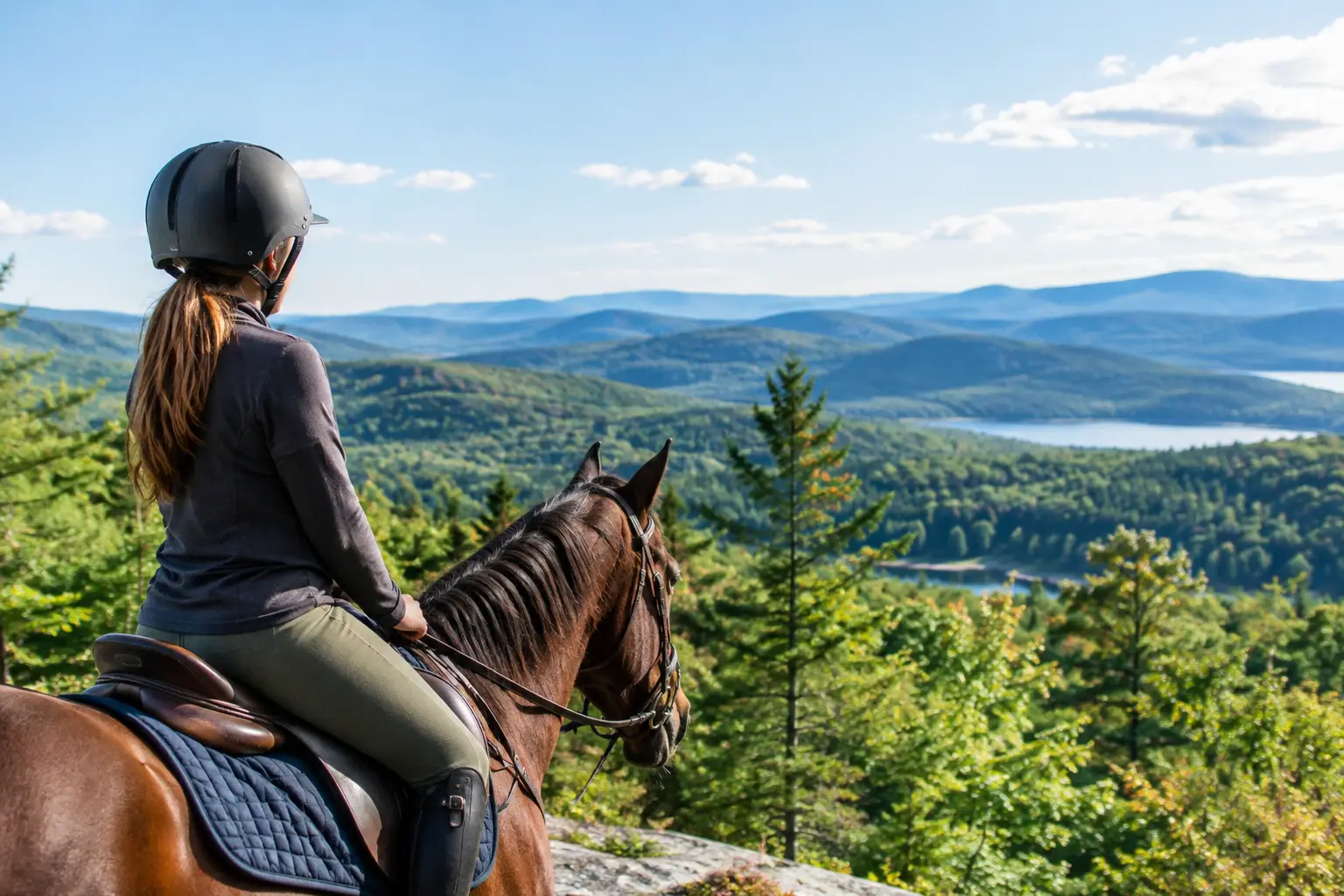
The best way to plan a forest riding trip is to leave room for the unexpected: a deer stepping out at dusk, a gravel lane that earns a slower pace, or a roadside overlook worth stopping for. Upstate New York rewards riders who come prepared but do not try to pack every mile into a single day. Make your cabin your home base, choose the ride that fits the roads ahead, and let the forest set a better pace.
Masonville puts you close to scenic backroads, wooded state forest country, small-town fuel stops, and the kind of quiet that city weekends rarely deliver. Whether you ride a big touring bike, prefer a cruiser, or want an adventure machine that is comfortable around changing road surfaces, a good trip starts before the kickstand goes up.
Start With the Ride You Actually Want A forest riding trip can mean different things to different riders. For one couple, it is a relaxed day on paved county roads with a coffee stop, a lunch spot, and a return to the cabin before dark. For another group, it is a full day of curves, elevation changes, and backroad exploration. Decide which version you want before you build a route.
Start by picking a realistic daily mileage range. The roads around the Catskills and greater Delaware County region can make 150 miles feel like a full day, especially when you factor in photo stops, fuel, meals, weather, and slower sections. A shorter route with time to pull over is often better than chasing a long loop and riding tired.
Your motorcycle choice matters, too. A luxury touring model makes sense for riders who want comfort, luggage capacity, and long paved stretches. A cruiser is a natural fit for a slower, scenic ride with a passenger. An adventure bike can be the right call when your route may include maintained gravel roads or variable surfaces, but only if your skill level and the conditions support it. Choose your ride for the trip you will really take, not the trip you think sounds toughest.
Build Your Forest Riding Trip Around a Home Base A cabin stay changes the math. Instead of loading, unloading, and moving every night, you can unpack once and ride out light each morning. That gives you more flexibility when rain rolls in, a route takes longer than expected, or you decide the best plan is simply sitting outside with a cold drink after a good day on the road.
At ODBP Adventures, the idea is simple: stay, ride, explore, unplug. Booking lodging and a premium motorcycle rental around one destination lets travelers arrive without hauling their own bike, then spend their time where it counts: out on the road and back at a peaceful mountain cabin.
When choosing a home base, think through the practical details. Confirm where you will park, how close fuel is, whether you have cell service for navigation, and where you can safely store helmets, jackets, and riding gear overnight. If you are renting a motorcycle, read the rental terms early. Driver qualifications, deposits, insurance, pickup timing, and passenger rules should be settled before travel day, not while everyone is waiting to ride.
Plan One Anchor Day and One Flexible Day For a weekend trip, make the first full riding day your anchor day. Map a primary loop, identify fuel stops, and save a few food options in case your first choice is closed. Keep the second day loose. You may want a shorter ride before heading home, a local golf cart cruise around the property and nearby area, or an extra morning with no engine noise at all.
That flexibility is not wasted time. It is the point of getting Off Da Beaten Path.
Check Road, Forest, and Weather Conditions Forest country changes quickly. A road that was clean and dry in the morning can have wet leaves, washed gravel, fallen branches, or mud by late afternoon. In spring, expect cool starts, potholes, and runoff. Summer brings heat, sudden thunderstorms, and heavier wildlife activity near dawn and dusk. Fall is hard to beat for color, but leaf-covered pavement can hide hazards and temperatures drop fast once the sun clears the ridgeline.
Check the forecast for the specific towns and elevations on your route, not just the forecast at home. Pack a rain layer even on a clear-day prediction. If heavy rain is likely, consider whether your route includes low-lying roads, steep gravel sections, or limited fuel access. A change of plan is good judgment, not a failed ride.
New York State Forest land is public land, but it is not an open invitation to ride anywhere. Follow NYSDEC regulations, posted signs, gates, and permitted-use rules. Do not take a motorcycle onto trails, closed roads, or areas that are not designated for motorized use. Stay off private property unless you have explicit permission. Respecting those boundaries protects the land, keeps riders welcome, and prevents a great trip from turning into an expensive problem.
Pack for the Road, Not Just the Photo A scenic ride still demands real gear. Wear a properly fitted helmet, eye protection, gloves, protective jacket and pants, and over-the-ankle footwear. Even on a short route, a road-side breakdown or a sudden temperature drop can make lightweight casual gear feel like a bad bet.
Bring water, a snack, identification, your license, rental documents if applicable, and a charged phone. Download maps before leaving the cabin because reception can weaken on rural roads. A small first-aid kit, tire repair option, and portable battery are smart additions, especially when your group is traveling several miles apart.
If you are carrying a passenger, pack lighter than you think. Extra layers and personal items add up quickly, and overloading a bike affects handling. Review how you will communicate at stops, how often you will take breaks, and what pace keeps both riders comfortable. The passenger experience can make or break the trip.
Dress for the Temperature Swing Mountain and forest rides often start cool, warm up by noon, and turn chilly again near sunset. Use layers you can remove and stow. A base layer, insulating mid-layer, and wind or waterproof outer shell cover more conditions than one bulky jacket. Keep dry gloves available if rain is possible. Wet hands make every control input less comfortable and less precise.
Ride With Wildlife, Hunters, and Other Users in Mind Wildlife is part of the reward here, but it is also a riding hazard. Deer are especially active around sunrise and sunset, and one deer often means more nearby. Slow down in shaded wooded sections, scan the shoulders, and leave extra braking room. Avoid outriding your sight distance on tight roads where a stopped vehicle, animal, or debris may be waiting beyond the next bend.
During hunting seasons, forest users share the landscape. Riders should know the season dates for the area they plan to visit and understand that roads, trailheads, and forest access points may be busier. Wear visible gear when you are off the motorcycle, stay on lawful routes, and never interfere with hunting activity or enter posted areas.
Be just as aware of hikers, cyclists, horseback riders, farm equipment, and local residents. A rural road is not a racetrack. Keep exhaust noise, speed, and group behavior in check near homes and trailheads. The best riding trips leave a good impression after the bikes are gone.
Make the Return Ride Part of the Plan The return to the cabin deserves as much thought as the route out. Aim to finish before full dark when possible, particularly during deer season and on unfamiliar roads. Save enough fuel for detours. If your group separates, agree on a regroup point rather than having riders make rushed decisions at an intersection.
Once you are back, check the bike for loose luggage, mud buildup, or anything that felt off during the day. Set out tomorrow's gear while the route is still fresh in your mind. Then slow down. Fire up dinner, sit outside, and trade stories about the road you almost skipped.
A good forest riding trip is not measured by how far you went. It is measured by clear roads, smart decisions, and the feeling that you had nowhere else you needed to be.