How to Plan a Cabin Ride in Upstate New York
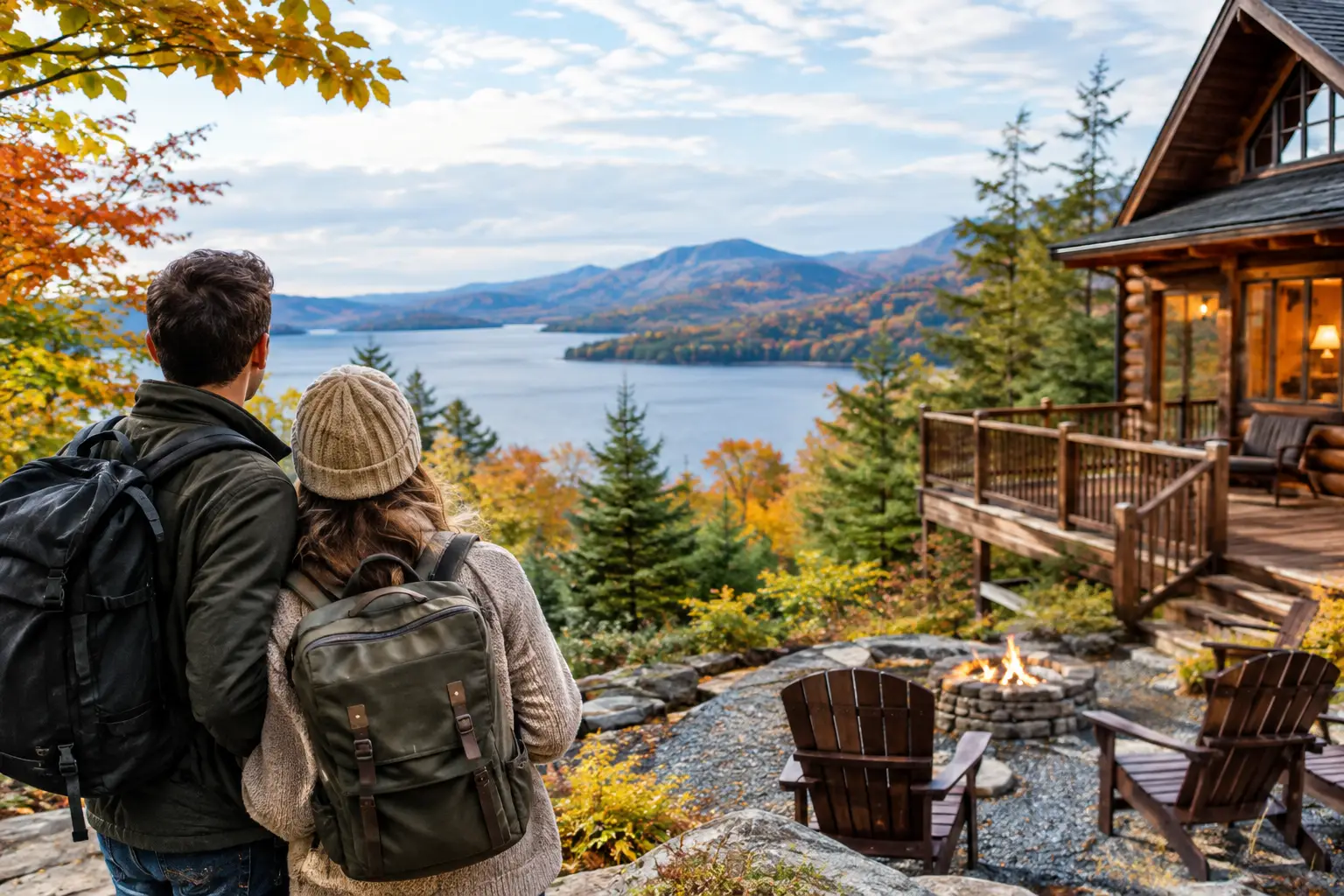
A cabin stay is better when it gives you somewhere worth riding to - and somewhere worth riding from. Knowing how to plan a cabin ride means thinking beyond the reservation. Your cabin is the home base for slow mornings, scenic miles, forest access, good food, and a real break from the noise.
In the Masonville area, the roads can carry you from quiet mountain country to broad valley views, wooded bends, and small-town stops in a single afternoon. Plan it right and you will spend less time sorting logistics and more time doing what you came for: stay, ride, explore, unplug.
Start With the Kind of Cabin Ride You Want Not every rider wants the same weekend. A couple on a Harley-Davidson touring bike may want smooth pavement, a comfortable cabin, and a long lunch in a nearby town. A group of adventure riders may be looking for backroads, changing terrain, and early starts. Someone who does not ride may want the cabin, the views, and a quiet ride around the property or local area by golf cart.
Choose the pace first. A two-night trip is enough for one substantial ride and a relaxed arrival and departure. Three or four nights gives you room to ride one day, explore the forest another day, and still leave time for a campfire or a lazy morning on the porch. Trying to pack every road into one weekend can turn an escape into a schedule.
Also decide whether the ride is the main event or one part of the trip. That answer affects your cabin location, rental choice, packing, and how much distance you should cover each day.
Pick Dates That Match Your Ride Style Upstate New York changes character fast with the seasons. Spring brings green roadsides and cool mornings, but also wet pavement, gravel washed onto curves, and unpredictable temperatures. Summer offers long daylight and comfortable riding, though weekend destinations can be busier. Fall is prime cabin-and-motorcycle country, with color in the hills and crisp air, but leaves, rain, and early darkness deserve extra caution.
Late fall and winter call for a different plan. A cabin retreat can still be exactly what you need, but motorcycle riding may not be practical or safe depending on road conditions. Build the trip around the weather you are actually likely to get, not the conditions you hope for.
Check the forecast a few days before departure, then check it again the morning you ride. Pay attention to overnight lows, wind, rain timing, and fog. Mountain and forest roads can stay damp and shaded long after the rest of the route looks dry.
Choose a Bike for the Roads You Will Actually Ride The right motorcycle is not always the biggest one or the one with the most chrome. It is the bike that fits your experience, passenger needs, luggage, and intended roads.
A touring motorcycle is a strong choice for couples and riders who want comfort over long paved stretches. Wind protection, storage, and passenger accommodations make it easier to settle into a full day on the road. Cruiser riders may prefer a lower, relaxed riding position and the classic feel of a scenic two-lane route. An adventure bike makes more sense when your plan includes rougher public roads or a broader mix of pavement and approved unpaved travel.
Be honest about your skill level. A premium rental can make a trip memorable, but it does not replace comfort with the bike’s weight, controls, and handling. If you are carrying a passenger, choose a motorcycle built for two-up riding and keep the daily mileage reasonable. ODBP Adventures offers a cabin home base alongside touring, cruiser, and adventure-style rental options, so the better question is not "Which bike looks best?" It is "Which bike lets us enjoy the route all day?"
Before confirming a rental, review the booking requirements, insurance and deposit details, rider eligibility, pickup instructions, and any mileage or use limitations. Bring the license, gear, and documents required for your reservation. Do not assume a rental agreement permits every road you see on a map.
How to Plan a Cabin Ride Route Without Overplanning It Build each riding day around one anchor point: a scenic overlook, a lunch stop, a trailhead, a small town, or a stretch of road you have been wanting to see. Then create a loop that gets you back to the cabin before you are tired, cold, or riding after dark.
For a mountain cabin trip, a practical day often looks better on the ground than it does on a screen. A 120-mile route with stops, photos, fuel, lunch, road construction, and a few wrong turns can easily fill six or seven hours. Leave margin for the roads that make you slow down - tight curves, loose gravel, wildlife crossings, and weather.
Use your map to identify fuel before you leave. Small communities do not always have the same late-night options as larger cities, and a rural route is more enjoyable when the low-fuel light is not part of the adventure. Download maps for offline use, keep your phone charged, and carry a paper backup if your route takes you into areas with unreliable service.
If forest roads are part of the plan, confirm they are open and suitable for your motorcycle. Conditions and permitted uses can change. Follow posted signs, avoid closed gates, and never ride onto private property because a navigation app suggested it. New York State Forest land is a tremendous asset, but it is not a free-for-all. Respect NYSDEC regulations, seasonal restrictions, hunting activity, and other users on the land.
Pack for the Cabin and the Ride Cabin trips tempt people to bring everything. Motorcycle trips punish overpacking. The answer is to pack in layers and keep the items you need on the road accessible.
Your riding gear should include a properly fitting helmet, eye protection, gloves, riding jacket, durable pants, and over-the-ankle footwear. Even on a warm forecast, bring a rain layer and an insulating layer. Temperatures can drop quickly after sunset or at higher elevations.
For the cabin, bring comfortable clothes, a flashlight or headlamp, a reusable water bottle, and any personal essentials you do not want to hunt down after arrival. If you are planning forest time, add insect repellent, sunscreen, sturdy walking shoes, and a small daypack. Hunters should review applicable seasons, licensing requirements, legal methods, and property boundaries well before the trip.
Keep a compact roadside kit with you. At minimum, carry a phone charger or power bank, basic first-aid supplies, a tire-pressure gauge, water, and a few snacks. If you are traveling with friends, do not rely on one person to carry all the useful gear.
Give Arrival Day a Lighter Plan The best cabin ride weekends do not start with a frantic push to cover miles after check-in. Arrive, unload, get familiar with the property, and take a short local ride if time and daylight allow. Learn where you can park, where you can and cannot drive, and what areas are reserved for guests, neighbors, or land management.
A golf cart can be a fun way to cruise around approved property and local areas when it is available, but it is not a substitute for a road-legal motorcycle or permission to travel wherever you choose. Follow the rental rules, stay within approved boundaries, and designate a sober driver.
Use your first evening to look at tomorrow’s route, charge devices, lay out gear, and check the weather one more time. That small bit of preparation makes the morning feel like a getaway instead of another set of chores.
Ride Like You Want to Come Back The roads around a cabin destination reward patience. Ride within your sightlines, especially around blind curves and shaded sections. Watch for deer at dawn and dusk, loose material near driveways, farm equipment, and vehicles crossing centerlines on narrow roads. If rain starts, slow down early instead of waiting for the pavement to prove its point.
A good cabin ride leaves room for the unplanned stop: the overlook you did not expect, the diner with an empty booth, the five quiet minutes outside before the group wakes up. Plan enough to stay safe and legal. Leave enough open space to get Off Da Beaten Path for real.
When you pull back into the cabin at the end of the day, do not measure the trip by miles alone. Measure it by how little you felt the need to check the clock.