How to Choose a Rental Motorcycle for Your Trip
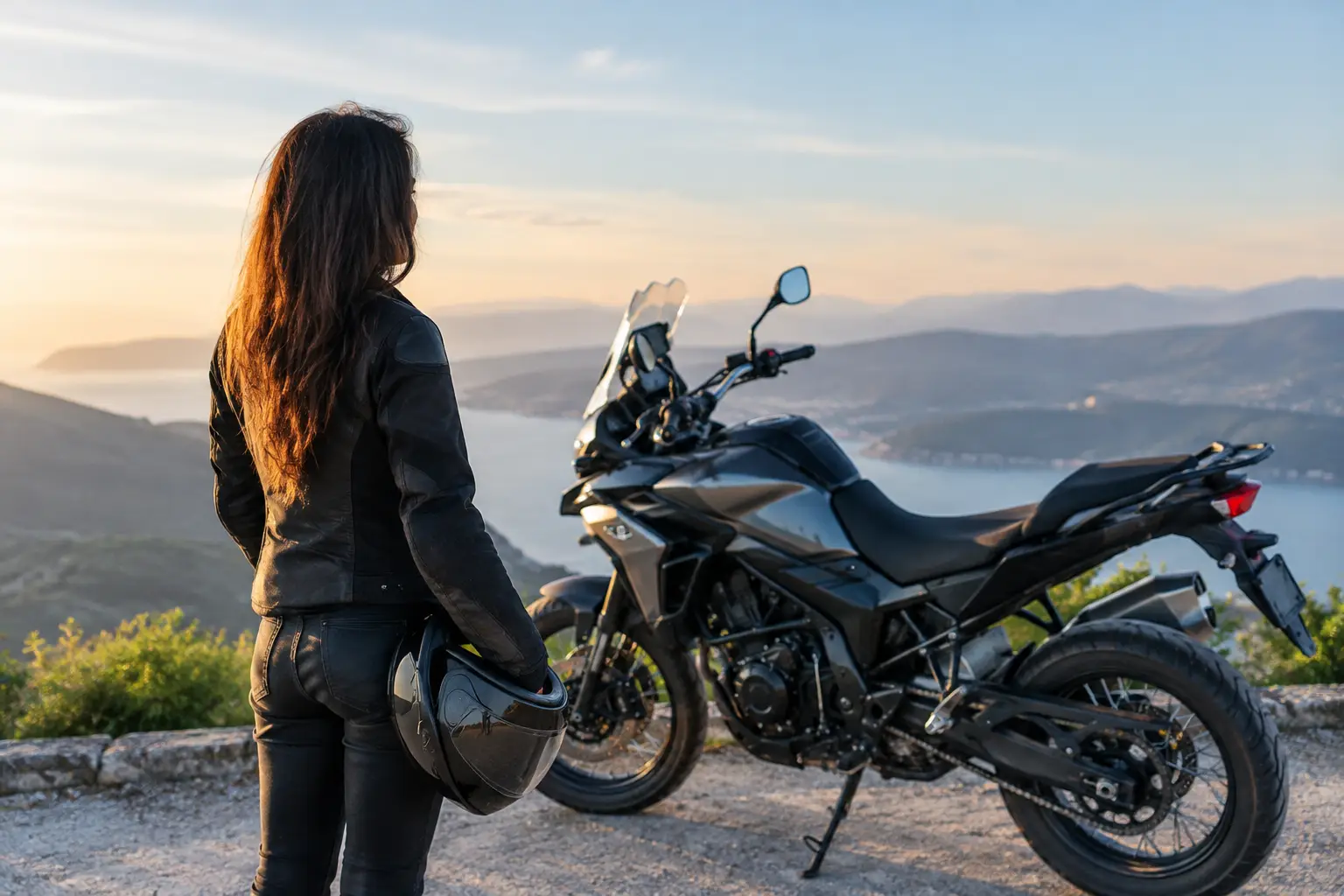
A mountain weekend can change quickly when the bike does not match the plan. A low-slung cruiser that feels perfect for a sunset ride may not be the right call for a full day of winding backroads, two-up miles, and packed luggage. Knowing how to choose a rental motorcycle starts with being honest about where you will ride, how long you will be in the saddle, and what kind of trip you actually want.
For a cabin-based escape in the Catskills and greater Upstate New York, your motorcycle is more than transportation. It is your way to take the long route, stop at the overlook, grab a meal in a small town, and get Off Da Beaten Path without hauling your own bike across the state.
Start With the Ride You Want to Have Do not choose based on looks alone. Choose the bike that makes your planned miles feel better.
If your idea of a great day is cruising scenic pavement, rolling through towns, and arriving back at the cabin relaxed, a touring motorcycle or full-size cruiser is usually the right lane. These bikes are built for steady highway miles and long stretches of open road. Wind protection, supportive seating, storage, and passenger accommodations can make a real difference after several hours.
If the trip is about lighter packing, a solo ride, and a more connected feel on twisty country roads, a midsize cruiser may be the better fit. It can feel easier to manage at low speed, in parking lots, and on uneven pull-offs while still delivering the American V-twin experience many riders come for.
Adventure motorcycles earn their place when your route includes imperfect pavement, hard-packed seasonal roads where permitted, and a little more exploration. They sit taller, offer an upright riding position, and often handle changing road surfaces with more confidence. That does not mean they are a pass for every trail or forest road. Public land has rules, seasonal closures, posted restrictions, and designated-use requirements. Ride only where motorized travel is allowed, honor signs, and never cross onto private property.
Touring, Cruiser, or Adventure: The Real Trade-Off A touring bike offers comfort and capacity, but it is heavier. A cruiser brings character and an approachable seat height, but wind and luggage capacity vary by model. An adventure bike is versatile, though its taller seat and different balance can be less comfortable for riders who are not used to it.
There is no universal best rental motorcycle. The right choice depends on the rider, the passenger, the route, and the weather. Choose your ride for the miles you expect to cover, not for the one photo you want to take.
Match the Motorcycle to Your Experience A rental is not the moment to move up several skill levels just because a bigger bike is available. Premium motorcycles have power, weight, and braking feel that deserve respect, especially when you are riding unfamiliar roads.
Think about the bike you ride at home. If you regularly handle a large touring motorcycle, a Harley-Davidson or Indian bagger may feel familiar and natural. If your regular bike is smaller, pay close attention to listed weight, seat height, engine size, and riding position before reserving. A heavier bike can be manageable while moving but challenging during slow U-turns, sloped parking, gravel driveways, or a fully loaded stop.
Your feet matter, too. You do not need to flat-foot every motorcycle, but you should be able to control it confidently at a stop. A tall adventure bike can be an excellent match for an experienced rider with a taller inseam and off-pavement background. For someone who is not used to that height, it can turn a simple fuel stop into a stressful moment.
Be equally realistic about your passenger. Two-up riding changes acceleration, braking distance, handling, and comfort. If you are bringing someone along, look for a true passenger seat, backrest or secure seating support where available, and enough storage for both riders' gear. A couple planning 200-mile days should prioritize comfort over style every time.
Consider Your Route Before You Reserve Upstate New York roads can serve up smooth scenic pavement, tight curves, changing elevations, wet leaves, deer crossings, and potholes after a hard winter. The best bike for the interstate is not always the best bike for the route from the cabin to the overlook.
For mostly paved road trips, a touring bike with a windshield or fairing reduces fatigue. If you plan to take photos, explore small towns, and make frequent stops, choose something you can comfortably maneuver again and again. For a mixed-surface itinerary, an adventure model may make more sense, provided the roads you plan to use are legal, open, and suited to your ability.
Build in room for weather. Mountain mornings can be cool even when the afternoon warms up. Rain can arrive fast, and a damp road covered in leaves demands a slower pace and smoother inputs. Check the forecast before departure, pack layers, and do not let a reservation schedule pressure you into riding in conditions beyond your comfort level.
Look Beyond the Daily Rate The listed daily price is only one part of a motorcycle rental. Read the full reservation details before committing, including security deposit, insurance options, mileage limits if any, cancellation terms, pickup instructions, fuel expectations, and late-return policies.
At ODBP Adventures, motorcycle reservations are handled through Riders Share, so the specific motorcycle listing and booking terms are the place to confirm requirements for that bike. Rental eligibility can depend on license status, age, riding history, verification, and the platform's protection plan. Have your valid motorcycle endorsement and requested documentation ready well before the trip.
Do not assume your personal auto policy covers a rental motorcycle. Motorcycle coverage, liability limits, deductibles, roadside support, and damage protection can work differently than they do for a car. Understand what is included, what costs extra, and what you could owe if the bike is damaged, stolen, or returned late.
That review is not paperwork for paperwork's sake. It is how you protect the weekend from an avoidable surprise.
Make Sure the Bike Carries What You Need A day ride requires more than a key and a destination. At minimum, plan for a DOT-compliant helmet, eye protection, gloves, a riding jacket, sturdy over-the-ankle footwear, rain protection, water, and a charged phone. If you are used to riding with your own gear, bring what fits you properly rather than relying on last-minute substitutions.
Storage is a major reason riders choose a touring model. Saddlebags or a top case keep layers, rain gear, water, and personal items secure without putting weight on your back. If you are booking a cruiser with limited storage, pack lighter or use approved luggage only. Loose bags and improvised straps can create a safety issue at highway speed.
Before rolling out, inspect the motorcycle with the owner or through the required check-in process. Document existing cosmetic marks, confirm tire condition, locate controls, test lights and signals, and ask how the luggage locks, fuel cap, windshield, and kickstand work. Take a few minutes to adjust mirrors and get familiar with the clutch, brakes, and turn signals in a safe area.
Choose for Comfort, Then Leave Space for Adventure The best rental motorcycle is the one that lets you focus on the road instead of fighting the machine. It should fit your skill level, support your passenger if you have one, carry your essentials, and suit the roads you are legally planning to ride.
Pick the bike that feels like a good call at mile 150, not just at pickup. Then take the scenic route, respect the land and the weather, and let the mountain roads set the pace.