Cabin Hunting Trips That Start Before Dawn
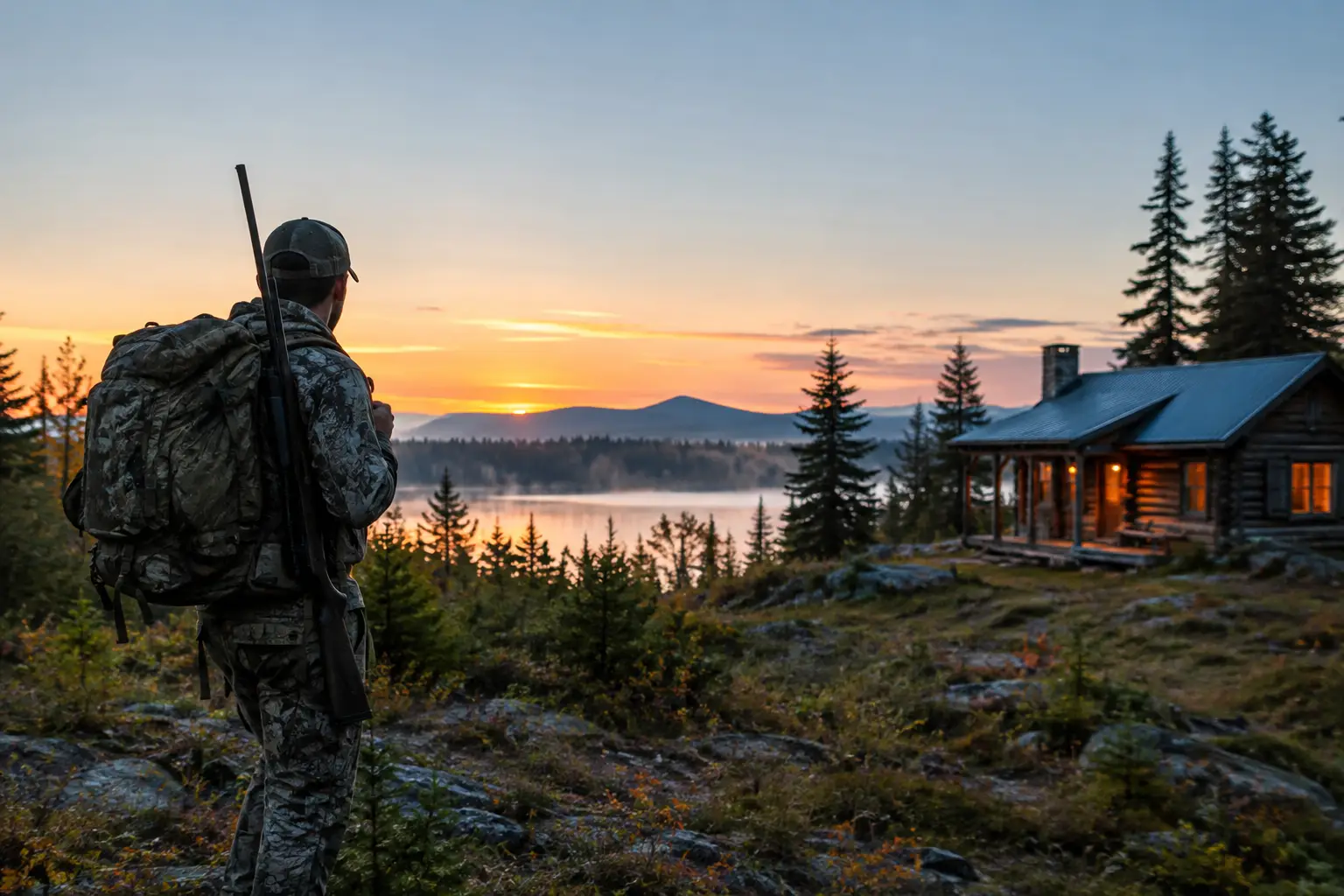
The best cabin hunting trips do not begin when the truck rolls out before daylight. They begin the night before, when your gear is dry, your route is clear, dinner is handled, and a warm cabin gives you a real place to rest. For hunters coming into the Masonville area, that kind of home base can make the difference between a rushed weekend and a trip worth repeating.
A cabin is not a substitute for preparation, permission, or a valid hunting license. It is the place that lets you handle those details well, then come back from the woods with a hot meal, a quiet porch, and enough room to reset for tomorrow.
Why a Cabin Changes the Hunting Trip A motel can give you a bed. A cabin gives you a rhythm. You can wake on your own schedule, layer up without worrying about waking a hallway full of strangers, and return after a long sit without having to figure out dinner in a parking lot.
That matters in the Catskills and the surrounding Southern Tier, where weather can shift quickly and a good hunting day often starts well before sunrise. A private cabin lets you organize packs, dry boots, check the forecast, study maps, and get to sleep at a reasonable hour. It also gives couples and friend groups room to enjoy the trip even when only part of the group is hunting.
For a multi-day stay, the value gets even clearer. Instead of driving home exhausted after one long day, you can hunt the morning, take a midday break, and return for an evening sit if conditions and legal shooting hours allow. You are there for the woods, not trapped in a windshield.
Choose a Base Camp, Not Just a Place to Sleep The right cabin for a hunting trip should support how you actually travel. Start with location, but do not stop there. Proximity to legal access matters, yet so do practical details: parking for your vehicle, a place to keep muddy boots contained, reliable heat, a kitchen, and enough space for the people and gear coming along.
A Masonville cabin can be a strong starting point for guests looking to spend time near New York State Forest lands and quiet back roads. Still, nearby does not mean open access everywhere. State forest boundaries, parking areas, seasonal roads, restricted zones, and private parcels can change the plan quickly. Know exactly where you may hunt before you arrive.
A good base camp also respects the people sharing it. If one guest is hunting while another wants a peaceful mountain weekend, build a schedule that works for both. Early alarms, scent-control routines, and wet outerwear are part of the deal. So are slow breakfasts, wildlife watching, and an evening by the fire after the gear is put away.
Plan Legal Access Before You Pack The woods do not run on assumptions. Before any hunt, review current New York State Department of Environmental Conservation regulations for the species, season, hunting zone, legal implements, bag limits, blaze orange or pink requirements, and reporting rules that apply to your trip.
Confirm that your hunting license and any required tags are valid for the dates and area you intend to hunt. If you are traveling from another state, give yourself extra time to understand New York requirements rather than relying on rules from home. Regulations, season dates, and permit conditions can change.
Use current maps to identify public land, access points, parking areas, and private-property lines. Do not cross private land without permission, even when it appears to be the easiest route into public ground. Respect posted signs, closed gates, and all vehicle restrictions. A four-wheel-drive truck, a motorcycle, or a golf cart does not create permission to travel off designated roads or onto land where motorized use is prohibited.
If you are staying at ODBP Adventures, treat the cabin as your launch point, not as a claim to surrounding property. Follow the boundaries and guest rules provided for the stay, and keep all hunting activity within areas where it is lawful and permitted.
Pack for the Cabin-to-Woods Routine Packing for a cabin hunting weekend is different from packing for a single day at home. You need field gear, but you also need a system that keeps the cabin comfortable and clean after the field. Bring more than one dry base layer, especially during wet or cold stretches. A second pair of boots or camp shoes can be a small luxury after hours on uneven ground.
Your checklist will depend on the season and species, but four categories should be covered before you leave: * Required licenses, tags, identification, maps, and a charged phone or GPS with offline maps * Weather-ready clothing, legal blaze orange or pink when required, waterproof footwear, and spare dry layers * Field essentials such as water, food, headlamp, first-aid supplies, knife, game bags where appropriate, and communication backup * Cabin basics including groceries, coffee, simple post-hunt meals, towels for gear, and storage bins or bags for muddy clothing
Do not pack so much that your truck becomes a gear pile. Keep the next morning's clothing, license holder, headlamp, and pack together in one spot. Put wet equipment in a designated area as soon as you return. That simple habit saves time and prevents the frantic pre-dawn search for a glove, tag, or flashlight.
Let the Weather Set the Pace Mountain weather is part of the experience, but it is not something to shrug off. Rain can turn a short walk into a slick, cold return. Wind may change how sound carries and how quickly you chill in a stand. Early-season warmth calls for water and tick awareness, while late-season trips demand more insulation, reliable lighting, and a clear plan for getting back safely.
Check the forecast for the specific area each evening and again before leaving the cabin. Tell someone in your group where you expect to park, which direction you plan to travel, and when you intend to return. If you hunt alone, that check-in becomes even more valuable.
Be realistic about daylight and energy. A cabin makes it tempting to hunt every minute of a short trip, but tired hunters make poor decisions. If the weather turns or visibility drops, head back, dry out, eat, and try again when conditions improve.
Make the Evenings Part of the Trip A hunting trip is often remembered for the quiet hours after dark. Back at the cabin, put the phones down for a while. Cook something simple, compare what you saw, and plan the next day without turning the evening into a strategy meeting that runs past midnight.
This is also the time to handle the unglamorous work. Recharge lights and devices. Hang damp layers to dry. Review maps for tomorrow. Confirm legal shooting hours and weather. If you harvested game, follow all tagging, transportation, processing, and storage requirements, and keep the cabin clean and respectful for everyone staying there.
Not every trip ends with a filled tag. That is hunting. A good cabin trip still delivers the things that brought you out: cold air, quiet forest roads, wildlife in the distance, and time that does not feel scheduled down to the minute.
Keep the Adventure Responsible Hunting near a cabin community requires extra awareness. Never discharge a firearm near or toward a dwelling, road, vehicle, trail user, or area where you cannot clearly identify what is beyond your target. Follow every applicable New York law and use sound judgment beyond the minimum rulebook.
Leave no trash at access points or in the woods. Do not block gates, roads, or pull-offs. Keep noise low around the cabin, particularly before dawn and after returning at night. The same courtesy that protects the experience for your group helps protect access for hunters long after your trip is over.
Get Off Da Beaten Path, but do it the right way: prepared, permitted, and respectful. When the alarm goes off before dawn, the best feeling is knowing your plan is already in place - coffee ready, gear waiting, and a quiet cabin to come home to when the woods have had their say.