Build a Motorcycle Getaway Itinerary That Rides Right
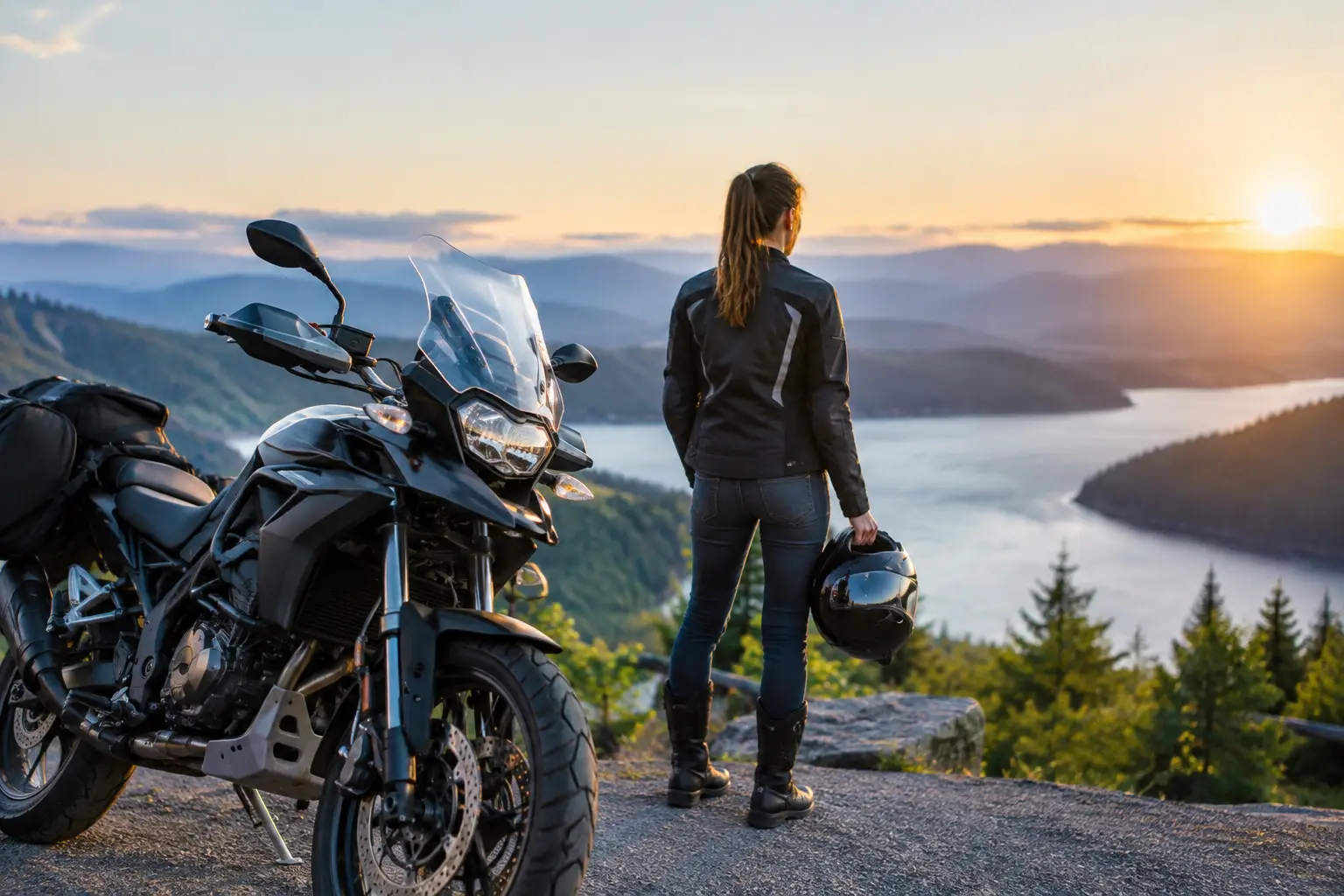
The best rides do not begin with a packed schedule. They begin with a cabin key, a full tank, a weather check, and enough open time to take the road that looks better than the one you planned. A motorcycle getaway itinerary around Masonville, New York should give you scenic miles, quiet mountain downtime, and room to adjust when the day calls for a slower pace.
This is not a race to collect checkpoints. It is your chance to get Off Da Beaten Path, trade traffic for backroads, and build a trip that feels like a real break from routine. Whether you arrive with your own bike or reserve a premium touring, cruiser, or adventure motorcycle, the right plan gives every day a purpose without locking you into a rigid timetable.
Build Your Motorcycle Getaway Itinerary Around the Ride For most riders, two or three nights is the sweet spot. A one-night stay can work for a quick reset, but it often turns the trip into an arrival-and-departure drill. With a long weekend, you can settle into the cabin, ride with intention, and still have a morning or afternoon with nowhere to be.
Start by deciding what kind of ride you actually want. A touring rider may want longer pavement days, comfortable fuel stops, and a route that rewards steady miles. A cruiser rider may prefer rolling rural roads, small-town pauses, and an unhurried lunch. An adventure-bike rider may be looking for a mix of maintained roads, changing terrain, and opportunities to explore the surrounding forest area where access is permitted.
Your itinerary should match the bike, the group, and the season. A couple riding two-up may want shorter loops and more cabin time. A group of experienced riders can cover more ground, but the slowest rider, fuel range, daylight, and weather still set the practical limit. Plan the day for the people you are actually riding with, not for the version of the trip that looks impressive on a map.
Day One: Arrive, Settle In, and Keep It Local Treat arrival day as a warm-up. Get checked in, unload your gear, and take time to look over the property. If you have rented a motorcycle, complete the required handoff and familiarize yourself with the bike before heading out. Confirm the controls, luggage setup, fuel level, kickstand operation, and any rider-specific expectations before you are miles down the road.
A short late-afternoon ride is plenty. Use it to get comfortable with local road conditions, identify fuel options, and shake off the drive in. Then head back to the cabin for a meal, a fire, and a quiet night. The first evening is where the getaway begins to feel different from an ordinary weekend.
If you add a golf cart to your stay, use it for relaxed property and local-area cruising within the approved operating area. It is a great way to move at a different speed after a day in the saddle. Follow the rental agreement, stay within authorized boundaries, and never treat it as a substitute for a street-legal motorcycle.
Day Two: Make the Main Ride the Main Event This is your full-ride day. Leave with a route in mind, but give yourself a realistic return window. In the mountains, a route that looks short can take longer than expected because of curves, elevation changes, gravel at road edges, farm traffic, construction, or a stop you did not know you needed.
Aim for one anchor experience rather than stacking five. That might be a scenic stretch of road, a lunch stop, a lookout, or a low-key stop in a nearby town. Build the rest of the route around it. A good day often includes two or three planned stops, not a dozen rushed ones.
Before leaving, save your route offline and share the general plan with someone in your party. Cell service can be inconsistent in rural and forested areas. Bring a charged phone, a backup battery, identification, rental paperwork if applicable, water, and layers. Even in warmer months, a cool morning at the cabin can turn into a hot afternoon on exposed pavement.
When you return, resist the urge to fill every remaining hour. Park the bike, put your boots down, and let the cabin do its job. Cook outside, watch for wildlife from a respectful distance, or simply sit still long enough to hear what city noise usually covers up.
Day Three: Choose Between One More Loop and a Slow Morning Your final full day does not need to match day two. This is where a flexible itinerary pays off. If the weather is clear and everyone feels fresh, take a second route with a different character. If the previous day was long, keep it close to Masonville and spend more time around the cabin and nearby recreation areas.
Forest access is a privilege, not an invitation to go wherever the tires point. New York State Forest land has rules, designated uses, posted notices, seasonal considerations, and boundaries that matter. Honor NYSDEC regulations, hunting seasons, licensing requirements, road closures, and private-property lines. Do not ride motorcycles, golf carts, or any vehicle into areas where they are not permitted.
That care is part of the experience. Respecting the land keeps the area worth returning to and helps ensure that your ride does not become someone else’s problem.
Build in Time for Weather, Gear, and Real Life A mountain motorcycle trip can change quickly. Rain does not automatically cancel a ride, but it should change the plan. Wet leaves, painted lines, gravel, and shaded curves demand a lighter throttle hand and more following distance. If a storm is moving in, skip the long loop. Make coffee at the cabin, wait it out, and take a short ride later if conditions improve.
Pack for comfort without overloading the bike. Riding gear should include a properly fitted helmet, eye protection, gloves, a riding jacket, durable pants, and boots that protect your ankles. Add a waterproof layer, spare base layer, sunscreen, and any medication you may need. For cooler-season trips, bring warm layers that can be added or removed without stopping the whole ride to reorganize your luggage.
If you are renting, choose the motorcycle that fits your experience and plans. A heavyweight touring bike is built for planted highway comfort and long-mile confidence. A cruiser brings a classic, relaxed feel to scenic pavement. An adventure motorcycle can suit riders who want versatility, but it is not permission to leave legal roads or ignore local land-use restrictions. Choose your ride based on your skill level, passenger needs, and the type of miles you want to make.
Keep the Group Ride Easy to Enjoy Friend-group trips work best when expectations are clear before kickstands go up. Decide who leads, who rides sweep, where the fuel stops are, and what happens if the group gets separated. Use simple meeting points rather than asking everyone to chase a rider who missed a turn.
Keep formation spacing sensible and avoid riding beyond your comfort level to stay with faster friends. Every rider should feel free to say they need fuel, food, a break, or a slower pace. The best group rides are not defined by who got there first. They are defined by everyone getting back with a good story and enough energy to enjoy the evening.
For rental motorcycles, follow all booking, qualification, deposit, insurance, and return requirements. Reservations may be processed through Riders Share, while cabin lodging is booked separately through Airbnb or VRBO. Read the terms before you arrive so check-in day stays focused on the fun part: getting settled and getting out on the road.
Leave a Little Space for the Road to Surprise You A strong motorcycle getaway itinerary has structure, but it also has breathing room. Plan the anchor ride. Know your fuel and return times. Respect the weather, the bike, the forest, and the boundaries around you. Then leave an hour open for the overlook, the backroad, the roadside conversation, or the quiet cabin evening you did not expect to be the best part of the trip.
Stay. Ride. Explore. Unplug. The miles matter, but the freedom to choose what comes next is why you came.